
Pool Renovation Alabama: How Often Concrete Pools Need Resurfacing
Wondering how often concrete pools need resurfacing in Alabama? Learn signs of wear, resurfacing costs, and when pool renovation makes sense for Alabama homeowners.

Rob Keesee
Owner/Operator
Dec 30, 2025
10 min
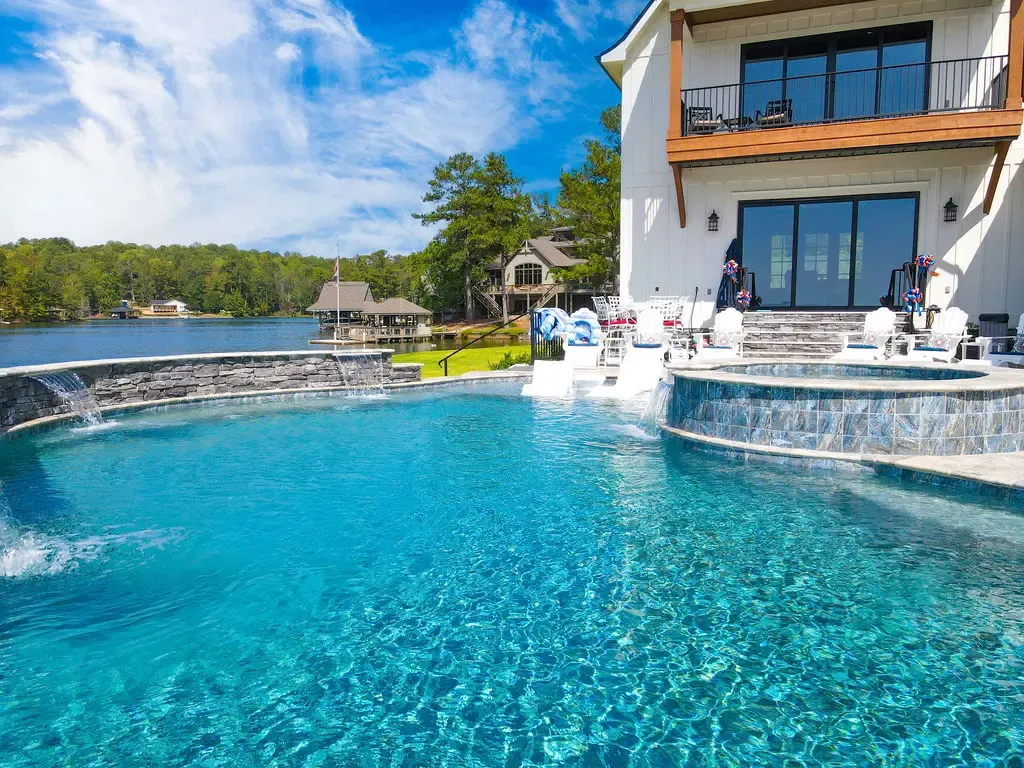
Alabama pools do not age quietly.
They crack.
They fade.
They start looking tired long before you think they should.
If your concrete pool looks like it has been through three summers too many and a bad breakup with the sun, you are not imagining it. In Alabama, due to the intense heat, frequent storms, and the high demand for pool chemicals, you'll typically need to resurface your concrete pool every 5 to 10 years. This frequency can vary based on factors such as pool usage, maintenance routines, and the specific finish you choose: plaster, pebble, or quartz finishes all have different lifespans.
That is why questions about pool renovation Alabama homeowners face tend to show up right around the same time every year.
So how often should a concrete pool actually be resurfaced in Alabama? And more importantly, how do you know when resurfacing is enough, when an Alabama pool remodel makes sense, or when it is time to seriously consider whether to renovate or replace pool Alabama homeowners rely on?
Keep reading. The answers might save you from a much bigger swimming pool rehab cost Alabama homeowners wish they had avoided.
Key Points |
|---|
|
Why Alabama Pool Remodels Are Needed More Often for Concrete Pools
Alabama is tough on concrete pools, which is why pool renovation Alabama happens more often than they expect. In Alabama, the combination of intense heat, frequent storms, and high chemical demand significantly shortens the lifespan of concrete pool plaster, necessitating more frequent resurfacing. This harsh environment means you'll likely face a pool resurfacing job more often than homeowners in cooler, less demanding climates. The frequency of pool resurfacing in Alabama can vary, but understanding the signs that your concrete pool needs attention is key to maintaining its integrity and aesthetic appeal.
Pay close attention to the condition of your pool deck and the pool's surface. Cracks, discoloration, and rough textures are clear indicators that it's time to consider resurfacing. These signs not only affect the pool's appearance but can also impact its safety and functionality. The concrete pool's exposure to the elements and the necessity for chemical treatments to keep the water clean contribute to the wear and tear. Regular monitoring and maintenance play a crucial role in extending the time between resurfacing jobs, but the reality is that in Alabama's climate, you should be prepared for the possibility of resurfacing every 5 to 10 years to ensure your pool remains a safe and inviting oasis.
Typical Lifespan of Concrete Pool Finishes and When to Renovate or Replace Pool Alabama
One of the first questions homeowners ask when they renovate or replace pool Alabama properties is how long each surface finish actually lasts. Understanding the lifespan of different finishes is key to planning your pool's resurfacing schedule. In Alabama, where your concrete pool battles the heat, storms, and chemical demands, knowing when it's time for a refresh is crucial.
Plaster finishes, the most traditional option, typically last between 5 to 10 years. They're the baseline for durability but might need attention sooner depending on your pool's usage and maintenance.
Pebble finishes, on the other hand, offer a longer lifespan. You're looking at a robust 15 to 20 years of service before needing to consider resurfacing. This makes them a great choice if you're seeking durability along with a natural aesthetic.
Meanwhile, quartz finishes strike a balance between the two, with a lifespan of 10 to 15 years. They bring an added sparkle to your pool's appearance while still promising extended durability.
Signs for Resurfacing or a Full Alabama Pool Remodel
Recognizing the signs that your pool needs resurfacing can save you from bigger issues down the line. One clear indicator is the appearance of cracks or chips on the pool's surface. These imperfections not only mar the look of your pool but can also lead to water leakage and further structural damage if not addressed promptly.
In addition, if you're noticing stains that seem impossible to remove, it's likely time to consider resurfacing. These stains, often caused by minerals in the water, can become an eyesore and suggest that the surface is no longer providing the protection it should. This is often one of the first signs homeowners notice during an Alabama pool remodel.
A rough surface is another sign that your pool needs attention. This can make swimming uncomfortable, leading to skin irritation or even minor injuries. It's a tell-tale sign that the surface is wearing away and requires pool maintenance, especially when deciding whether to renovate or replace pool Alabama homeowners rely on.
Lastly, if you're battling constant algae growth, it might be due to the surface of your concrete pool becoming too porous, making it an ideal breeding ground for algae. Regular cleaning becomes less effective, and the pool requires more chemicals to stay clean, indicating the need for resurfacing.
How Red Clay Soil Impacts Concrete Pools and Drives Pool Renovation Alabama Decisions
While identifying signs that your pool needs resurfacing is important, it's also vital to consider how red clay and soil movement specifically contribute to plaster wear in Alabama.
The presence of red clay in the soil can significantly increase the rate of plaster wear. This is because red clay contains abrasive particles that can erode the pool's plaster surface over time, necessitating more frequent pool resurfacing.
Soil movement, a common occurrence in Alabama, further exacerbates this issue. As the ground shifts, it can create stress on the concrete pool structure, leading to cracks and degradation of the plaster.
This makes it crucial for you to stay vigilant about the condition of your pool's plaster. Regular inspections can help you catch early signs of wear, allowing for timely intervention to prevent more extensive damage.
Understanding the impact of red clay and soil movement on plaster wear is key to maintaining your pool's integrity. By acknowledging these factors, you're better equipped to plan for pool renovation Alabama, ensuring your pool remains a refreshing oasis for years to come.
Not every concrete pool needs the same solution.
A quick assessment from Southeast Pool Builders can help you understand what your pool actually needs before small issues turn into bigger repairs.
Resurfacing Pool Options for Alabama Homeowners
For Alabama homeowners looking to resurface their concrete pools, a variety of options are available that cater to both durability and aesthetic preferences. Whether you're dealing with the typical wear and tear that comes from the Alabama climate or you're just looking to give your pool a facelift, understanding your resurfacing options is crucial. Pool resurfacing not only extends the life of your concrete pool but also ensures it remains a centerpiece of backyard fun and relaxation.
The resurfacing timeline for concrete pools in Alabama can vary, typically falling between 5 to 10 years depending on factors like weather conditions and how well the pool has been maintained. It's important to get a professional evaluation to pinpoint the best time for resurfacing. This expert assessment can help you avoid premature resurfacing and ensure the longevity of your pool.
Choosing the right materials for resurfacing is key to achieving both durability and the desired look. With the right approach, you can enhance your pool's aesthetics, making it as inviting as it's durable. Remember, a well-timed and correctly executed pool resurfacing can significantly impact your concrete pool's lifespan and enjoyment in Alabama.
Cost Breakdown of Resurfacing Concrete Pools
Understanding the cost of resurfacing your concrete pool in Alabama is crucial, as expenses can range between $5,000 and $10,000. This variance largely depends on factors such as the size of your pool, its current condition, and the materials you choose for the resurfacing project. When planning your budget, it's vital to consider these aspects to get a clear picture of the overall cost.
The materials used for concrete pool resurfacing play a significant role in the final price. Options like standard plaster are generally more affordable, but if you're leaning towards premium finishes like pebble or quartz, be prepared for the cost to resurface to increase. These higher quality materials not only enhance the aesthetic appeal of your pool but also contribute to durability, potentially saving you money in the long run.
Labor costs in Alabama can also add a substantial amount to your bill. The complexity of the resurfacing process, combined with the skill level required, means that labor expenses are a significant component of the overall cost. It's crucial to factor in these costs when budgeting for your concrete pool resurfacing project to avoid any surprises.
How to Extend Your Pool Finish and Avoid Higher Swimming Pool Rehab Cost Alabama
Knowing the cost is one thing, but learning how to make your pool surface last longer is what really protects your investment during an Alabama pool remodel.
After exploring the cost of resurfacing your concrete pool, it's equally important to know how you can extend the finish's lifespan to maximize your investment. Proper water chemistry is the cornerstone of this endeavor. You must regularly monitor and adjust pH, calcium hardness, and alkalinity levels. This isn't just about keeping the water clear; it's about preventing the premature degradation of your pool's finish and avoiding unnecessary swimming pool rehab cost Alabama homeowners often face.
Investing in a high-quality sealer offers an additional layer of protection, guarding against wear and tear that could otherwise lead to early resurfacing needs. Don't underestimate the power of your pool's circulation and filtration systems either. These systems play a crucial role in maintaining the finish by ensuring debris and chemicals are evenly distributed and filtered out, preventing damage and staining.
Regular maintenance, including routine cleaning and timely pool service, can't be overlooked. It prevents the buildup of harmful substances that can affect the finish's integrity. By adhering to these practices, you're not just caring for your pool; you're safeguarding your investment, ensuring that resurfacing is a rare necessity rather than a frequent inconvenience.
Frequently Asked Questions
How Often Do You Need to Resurface a Concrete Pool?
You'll need to resurface your concrete pool every 7-10 years, considering factors like usage and maintenance. Heavy use may shorten this timeframe. Regular checks and proper care can help extend the resurfacing intervals.
What Is the Average Cost to Have a Pool Resurfaced?
You're looking at spending between $3,000 to $7,000 on average to get your pool resurfaced. The cost varies based on size, materials, and labor. Always compare quotes to find the best deal for your needs.
How Long Does Pool Resurfacing Last?
Pool resurfacing typically lasts between 7-10 years, but if you're using your pool heavily or neglecting maintenance, you might need to do it more often. Regular checks can help extend its lifespan.
What Is the Life Expectancy of a Concrete Pool?
You're looking at a concrete pool lasting around 10 to 20 years in Alabama. With good care, you can push that further. Remember, factors like weather and how much you use it play big roles.
Is it cheaper to renovate a pool or build a new one in Alabama?
In most cases, renovating an existing pool in Alabama is much cheaper than building a new one. Pool renovations often range between $10,000 and $30,000, while new pool construction can start at $50,000 or more. Unless there is major structural damage, renovation is usually the more cost-effective option for Alabama homeowners.
How long does a pool renovation take in Alabama?
Most pool renovations in Alabama take between two and six weeks, depending on the scope of work. Simple resurfacing projects can be completed in about one to two weeks, while larger renovations involving plumbing, decking, or structural repairs may take longer. Weather conditions and material availability can also affect the timeline.
Do I need permits for a pool remodel in Alabama?
Yes, many pool remodels in Alabama require permits, especially if the work involves plumbing changes, electrical upgrades, structural modifications, or deck replacement. Cosmetic updates like resurfacing may not require permits, but local regulations vary by county and city. A professional pool contractor can help determine what permits are needed.
Can you add features like tanning ledges during a pool renovation in Alabama?
Yes, tanning ledges and other features can be added during a pool renovation in Alabama. Renovation is often the best time to add upgrades like tanning ledges, steps, benches, lighting, or automation since the pool is already under construction. These features can improve comfort and increase the value of your pool.
Conclusion
In conclusion, staying ahead of wear and tear is key for any pool owner in Alabama. While every concrete pool is different, most will need resurfacing every 7 to 10 years depending on use, maintenance, and local conditions.
Watch for early signs like cracks, fading, or a rough surface. Alabama factors such as red clay soil, seasonal shifts, and heavy summer use can speed up deterioration faster than many homeowners expect.
By understanding your resurfacing options, weighing the costs, and keeping up with proper water chemistry, you can extend the life of your pool’s finish and protect your investment. And when you are unsure whether resurfacing is enough or a larger renovation makes more sense, having a trusted local expert makes all the difference.
If you want help evaluating your pool’s condition, Southeast Pool Builders is here to guide you with honest advice and experience built for Alabama pools.