
Which Pool Should You Build in Alabama? Comparing Fiberglass, Concrete & Vinyl-Liner Options
Deciding between fiberglass, concrete, or vinyl? We break down the pros, cons, and costs of Alabama pool types to help you find the perfect fit for your budget and backyard.

Rob Keesee
Owner/Operator
Jan 13, 2026
10 min
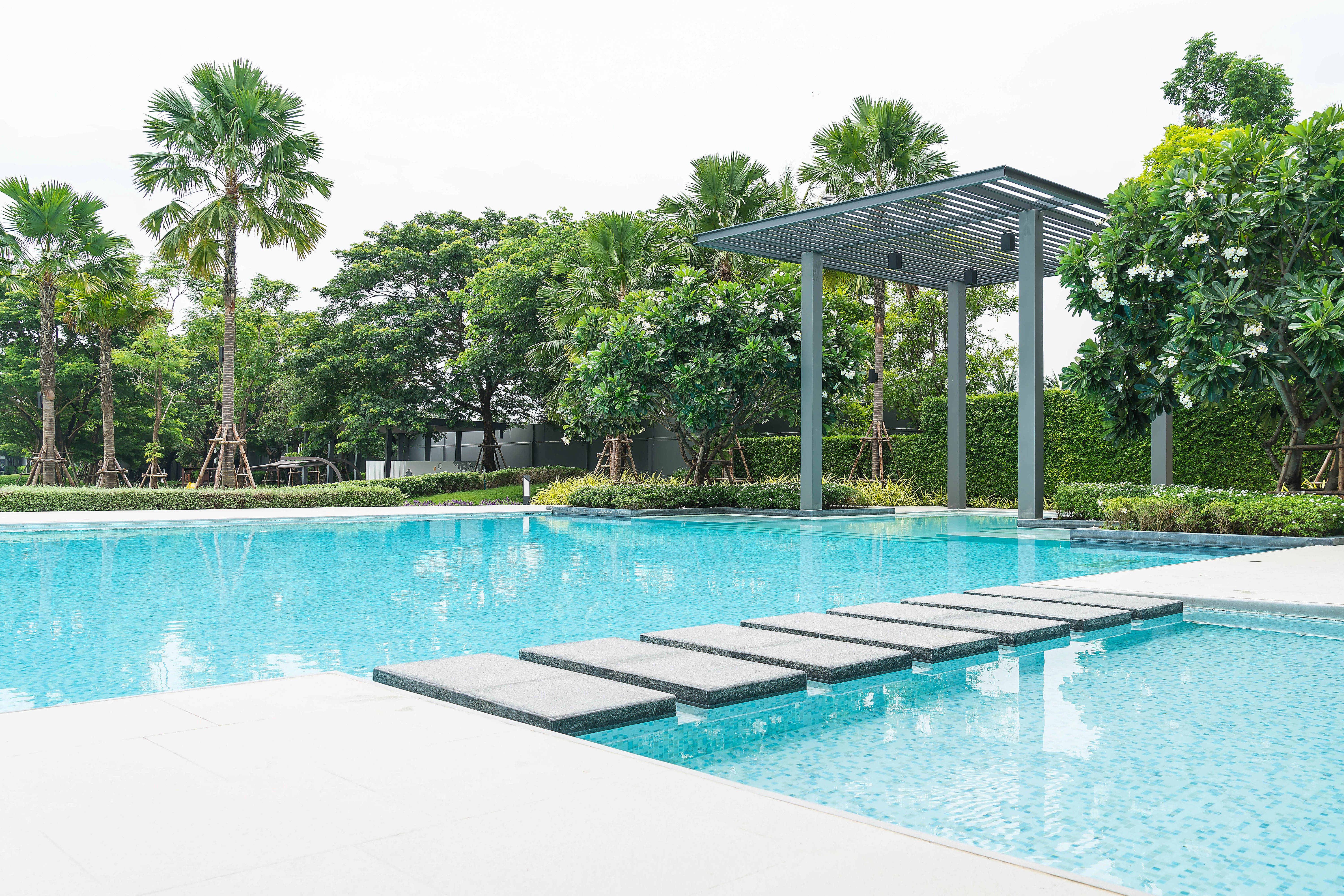
Close your eyes for a second.
What do you see?
You see yourself floating on a noodle, maybe a cold drink in hand, listening to music. It’s perfect. Now, here is what you didn't see in that daydream: You, sweating through your t-shirt on a Saturday morning, scrubbing grout lines with a toothbrush because the algae just won’t quit.
Nobody puts "pool janitor" on their vision board.
But the truth? Some pools are high-maintenance divas. Others are low-maintenance workhorses. If you pick the wrong one, you aren't just buying an oasis; you’re buying a part-time job.
You want to be a pool owner, not a pool servant.
To help you keep your weekends free, let’s look at the best pool type for Alabama based on how much work you actually want to do.
If you're watching your wallet but still want some design flexibility, a vinyl-liner pool is budget-friendly, costing between $40k and $110k, and adapts easily to saltwater systems. For a middle-ground option with lower maintenance and quick installation, fiberglass pools, priced between $60k to $100k, offer durability and clear water with minimal effort.
However, if customization and a luxury aesthetic are top priorities, and you're willing to invest $110k to $300k, concrete pools provide unparalleled design versatility, though they require more upkeep. Determining the best pool type for Alabama requires balancing these factors against your specific lifestyle and long-term satisfaction. By exploring further, you can uncover which choice aligns best with your Alabama home's needs and your personal inclinations.
Key Points |
|---|
|
Understanding Pool Types
Choosing the right pool type for your Alabama home involves understanding the distinct advantages and price ranges of vinyl, fiberglass, and concrete options. When you're trying to decide on the best pool type for Alabama, it's crucial to consider factors like your budget, maintenance willingness, and customization desires.
Vinyl Liner: The go-to for cost-effectiveness, with initial costs ranging from $40k to $110k, making them a popular choice among Alabama residents. They offer a blend of durability and design flexibility, allowing for a variety of shapes and sizes to fit your backyard space perfectly.
Fiberglass: When comparing fiberglass pools vs concrete pools in Alabama, fiberglass pools present a middle ground in terms of cost, with prices between $60k to $100k. They stand out for their quick installation and lower maintenance needs, appealing to homeowners looking for ease of care.
Concrete: These are at the higher end of the spectrum, costing about $110k to $300k to install. They offer unparalleled customization but come with higher maintenance requirements and costs.
Understanding these Alabama pool types and their associated costs helps you make an informed decision that aligns with your lifestyle, budget, and aesthetic preferences.
Fiberglass Pools
Advantages
Fiberglass pools offer several significant advantages, including lower maintenance needs and a quick installation process, making them an attractive option for many Alabama homeowners.
Reduced Algae: Unlike concrete or vinyl-liner pools, the non-porous surface of a fiberglass pool drastically reduces algae growth—a common issue in Alabama's humid summers. This means you'll spend less time and money on cleaning chemicals and more time enjoying your pool.
Quick Installation: The installation process is another major plus. Fiberglass pools can often be installed in just a couple of days, significantly faster than the weeks or even months required for concrete pools.
Soil Flexibility: Fiberglass shells have a degree of flexibility, which can be advantageous in areas with shifting Alabama clay soil, reducing the risk of structural cracking compared to more rigid materials.
Durability: With fiberglass, there are no liners to replace, which is a common issue with vinyl-liner pools. This means you're looking at long-term savings and less hassle.
Drawbacks
While Alabama fiberglass pools are known for their numerous advantages, they're not without their drawbacks, including a higher initial cost compared to vinyl liner options.
Limited Customization: One of the primary concerns is the limited customization options. You're pretty much stuck with the pre-made sizes and shapes, which might not fit your unique vision or backyard space perfectly.
Complex Repairs: Repairs can be more complex and potentially more costly. The fiberglass material isn't as easy to fix as a tear in a vinyl liner.
Size Limitations: Fiberglass pools have size limitations because they must be transported by road. If you're dreaming of a sprawling, Olympic-sized pool, you might have to consider other materials like concrete.
Chemical Sensitivity: Fiberglass pools are vulnerable to damage from certain chemicals, meaning you'll need to be careful with the type and amount of pool chemicals you use.
Concrete Pools
Benefits
Concrete pools stand out for their unparalleled flexibility in customization, allowing you to tailor the size, shape, and design features to your exact preferences.
Customization: If you're dreaming of a pool that fits your Alabama backyard's unique dimensions or specific soil conditions, a concrete pool might be your match.
Longevity: These pools are built to last. You're investing in durability that withstands daily use, ensuring your pool remains a centerpiece for decades.
Intricate Designs: Concrete pools excel in allowing for intricate designs. Whether it's elegant tile work, a stunning waterfall, or a soothing spa, you can incorporate these luxurious elements effortlessly.
In short, opting for a concrete pool means you're not just building a swimming area; you're crafting a durable, customizable, and luxurious outdoor living space.
Limitations
Despite their appeal, you'll find that concrete pools come with several drawbacks, including limitations in size and shape customization relative to the installation effort.
Construction Time: The extensive planning and groundwork required for their on-site construction can be a significant hurdle.
Maintenance & Surface: Concrete pools are often not compatible with salt water systems due to corrosion risks. This leads to higher maintenance costs, as you'll need to stick with traditional chlorination. The rough interior surface can also be tough on feet and may necessitate resurfacing every 10 years.
Soil Considerations: In Alabama, where ground shifting can occur, concrete pools require precise engineering to prevent structural cracks (often referred to as "concrete cancer" or alkali-silica reaction), which are costly to repair.
Considering these long-term maintenance realities, you might question the viability of fixing up an existing structure. If you are debating a project on an existing property, check out our guide on whether it is worth renovating an old pool in Alabama.
Vinyl-Liner Pools
Pros
Vinyl liner pools in Alabama are known for their customizable features and cost-effectiveness, offering a versatile and comfortable swimming experience.
Customization: You'll find that the ability to tailor the shape, size, and depth of your pool means it can perfectly fit your backyard and meet your specific needs.
Comfort: The smooth surface of a vinyl liner feels great under your feet and reduces the chance of scrapes, making your swim time more enjoyable.
Cost & Eco-Friendliness: Vinyl-liner pools are more budget-friendly than their concrete counterparts. They can also easily adapt to saltwater systems, offering a more natural swimming environment.
Durability: While the liner will need replacing eventually, these pools are built to last, ensuring you get years of enjoyment from your investment.
Cons
While initially more budget-friendly, you'll find that the ongoing maintenance and potential for repairs can bump up the overall cost.
Liner Replacement: The liner itself won't last forever. You're looking at a replacement every 10 years or so.
Chemical Balance: You've got to keep a close eye on your water chemistry. Improper chemical levels can cause the liner to become brittle or faded.
Physical Damage: Vinyl liners are prone to tears or punctures from sharp objects or storm debris, a factor to consider during Alabama's storm season.
Upkeep: While the upfront cost is appealing, the upkeep and potential for repairs could make you think twice.
Making Your Decision
Choosing the right pool for your Alabama home involves weighing budget considerations, maintenance demands, and personal preferences carefully.
For Tight Budgets: If you're on a tight budget but still desire durability and design flexibility, a vinyl-liner pool might be your go-to. They're cost-effective and can fit various shapes and sizes.
For Low Maintenance: If you lean towards lower maintenance and don't mind a higher upfront cost, fiberglass pools could be better. Their resistance to algae is a major plus in Alabama's humid climate.
For Customization: If customization is your top priority and you're ready to handle more maintenance, a concrete pool offers unmatched versatility. You can tailor it to any design or size.
Consider Alabama's weather conditions, your available space, and how much effort you're willing to put into pool maintenance. Also, research local regulations and seek advice from the team at South East Pool Builders, who are deeply familiar with Alabama pool types. They can offer valuable insights into which pool type will best suit your needs and location.
Frequently Asked Questions
Which Is Better Vinyl or Fiberglass Pools?
You're wondering whether vinyl or fiberglass pools are better. Vinyl pools are more cost-effective and customizable, while fiberglass pools are quicker to install and require less upkeep. Consider your priorities to make the best choice.
What Type of Pool Is Better, Fiberglass or Concrete?
Deciding between a fiberglass or concrete pool? Fiberglass is quicker to install and easier to maintain, while concrete offers customizable shapes and sizes but needs more upkeep. When evaluating fiberglass vs concrete in Alabama, consider soil stability and long-term maintenance costs.
What Is the Downside of a Fiberglass Pool?
The downside of a fiberglass pool includes its higher initial cost, limited customization in size and shape, challenges in repairing the material, size limitations, and the gel coat's sensitivity to chemical damage.
What Are the Disadvantages of a Vinyl Pool?
Vinyl pools require frequent liner replacements every decade and can be costly over time. They're also more prone to chemical damage and offer less customization and a less smooth feel compared to other types.
Which pool type lasts longest in Alabama?
Concrete pools generally last the longest structurally (50+ years) but require costly resurfacing every decade. Fiberglass pools last 30+ years and typically maintain their surface finish longer with far less upkeep.
Does red clay affect fiberglass or concrete?
Yes. Alabama’s shifting clay soil can crack rigid concrete pools if they aren't properly engineered. Fiberglass shells have slight flexibility, making them more resistant to ground movement and cracking.
Do Alabama summers shorten vinyl liner lifespan?
Yes. The intense UV rays and heat can degrade liners faster, often reducing their lifespan to 5–9 years in Alabama compared to 10+ years in cooler regions.
Which pool is the lowest maintenance?
Fiberglass. Its non-porous surface resists algae, drastically reducing chemical costs and cleaning time, and it never requires liner replacements or resurfacing.
Conclusion
Deciding on the best pool type for Alabama boils down to what matters most to you. If quick installation and low upkeep are your priorities, fiberglass is the way to go. For those dreaming of a custom-designed oasis, concrete pools offer unmatched flexibility despite its higher cost and maintenance. Meanwhile, vinyl-liner pools strike a balance with their durability, design versatility, and affordability. Weigh your options carefully, considering your lifestyle, budget, and long-term satisfaction. To ensure you make the best choice for your home, seek advice from the pool experts at South East Pool Builders.